
- Blueprint of Memory (2025)
Description
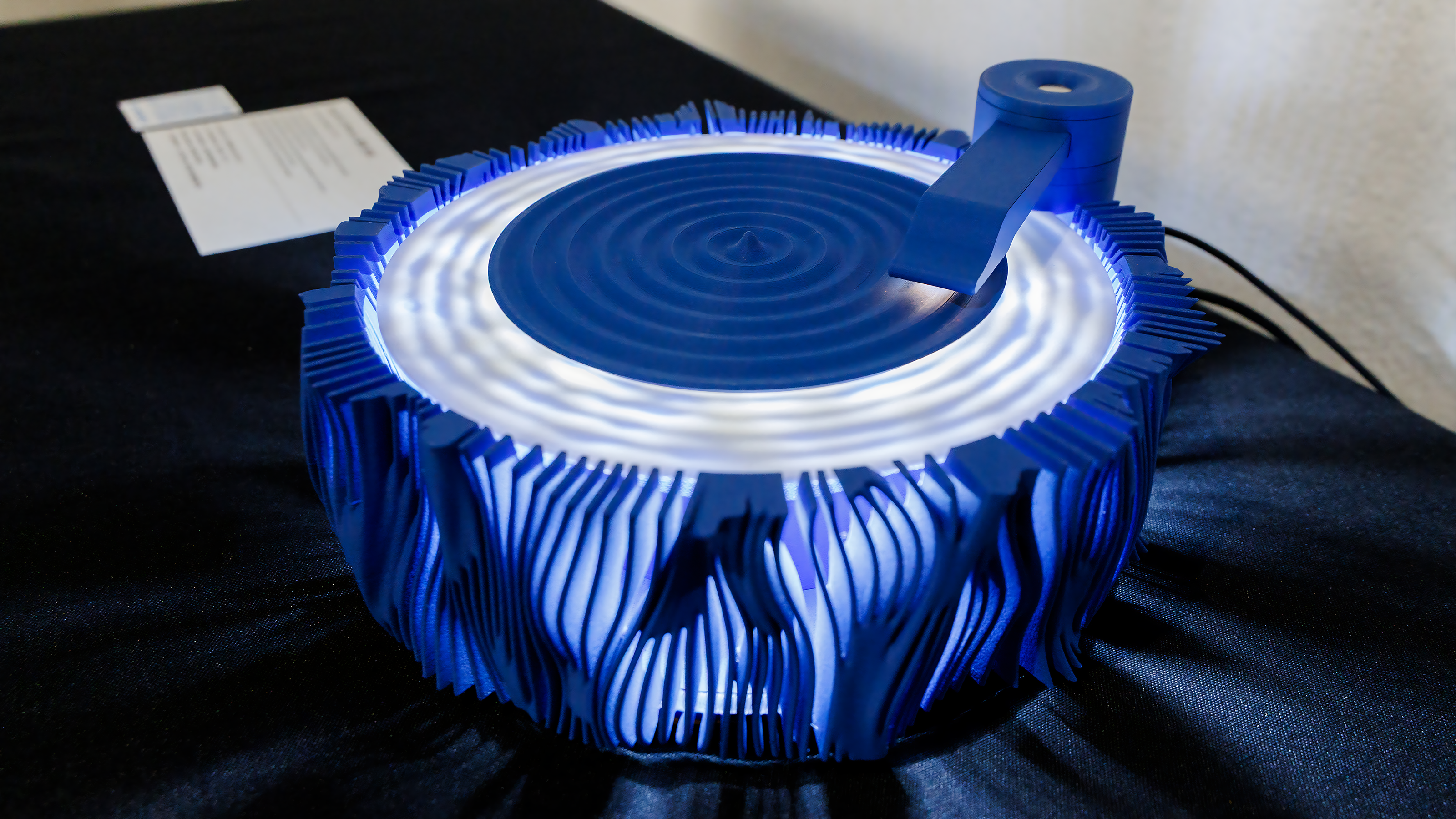
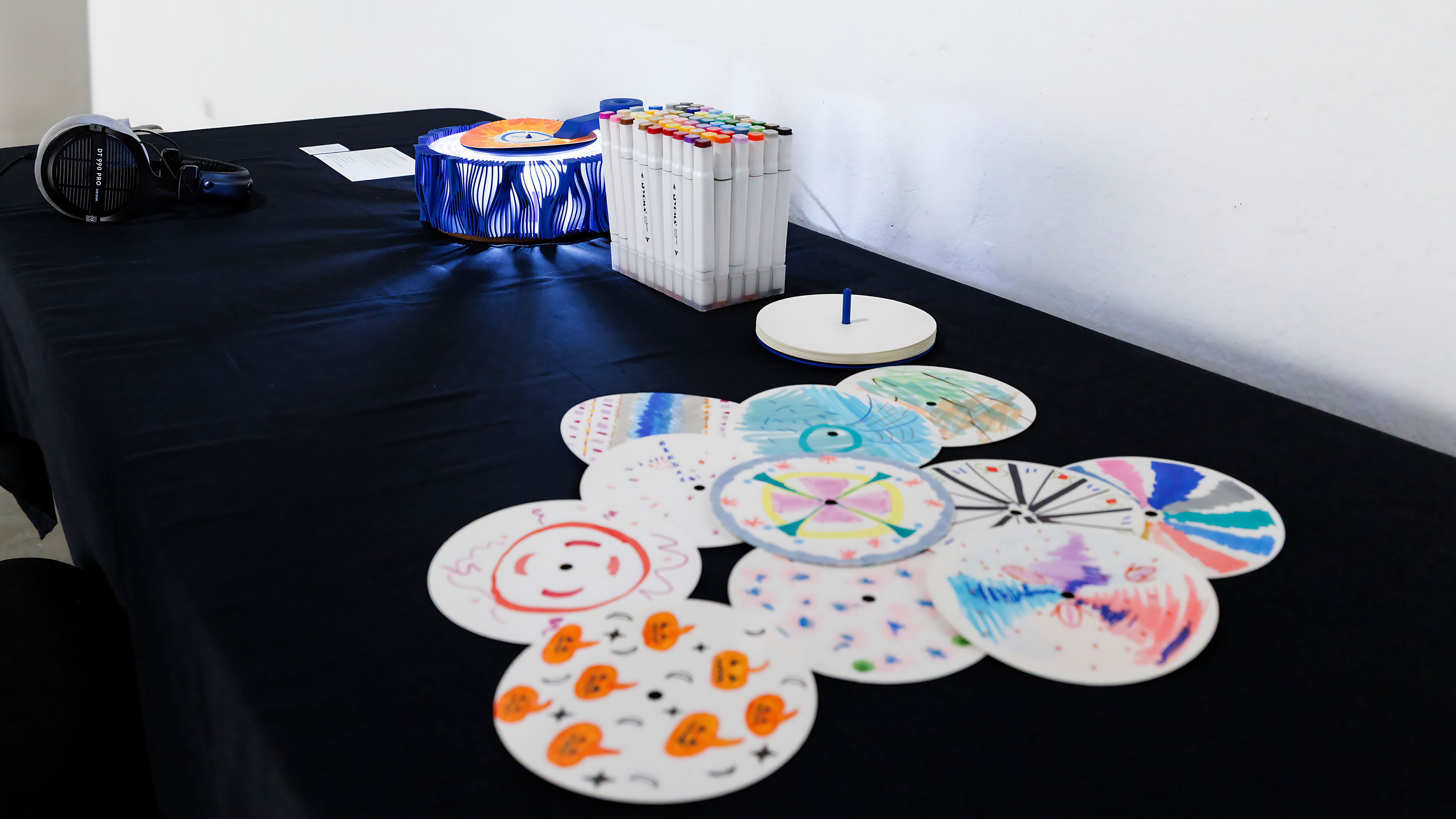
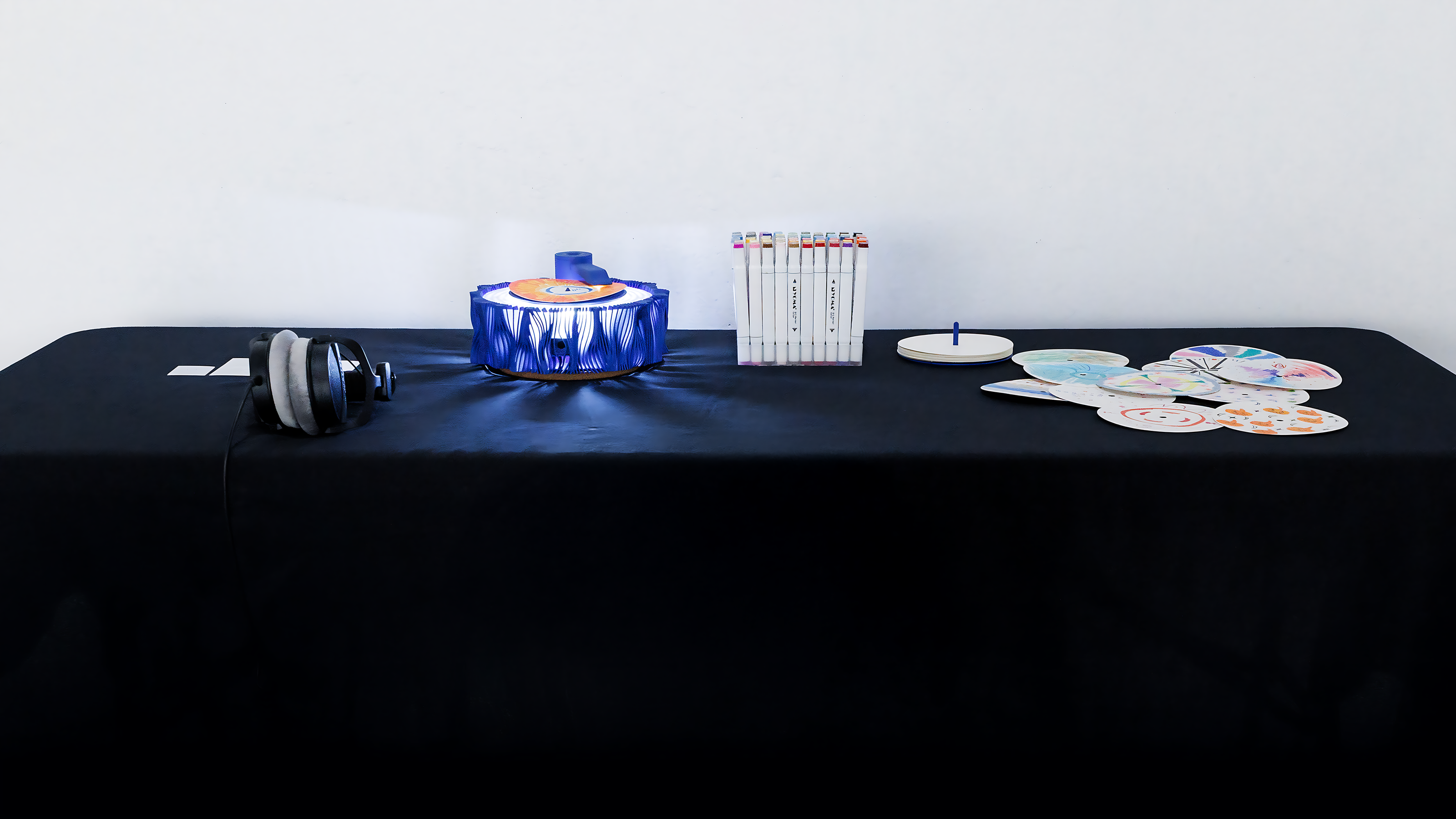
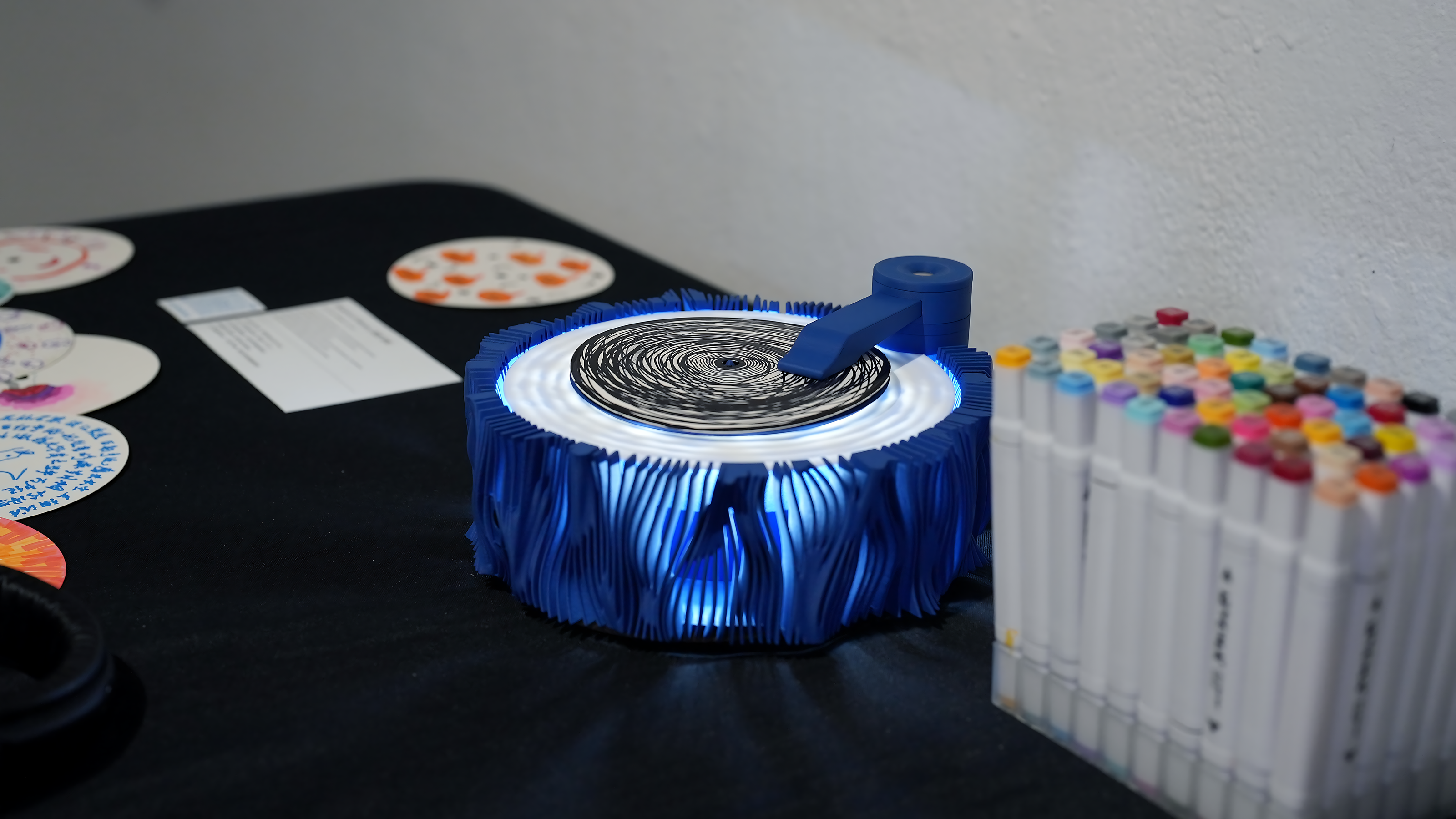
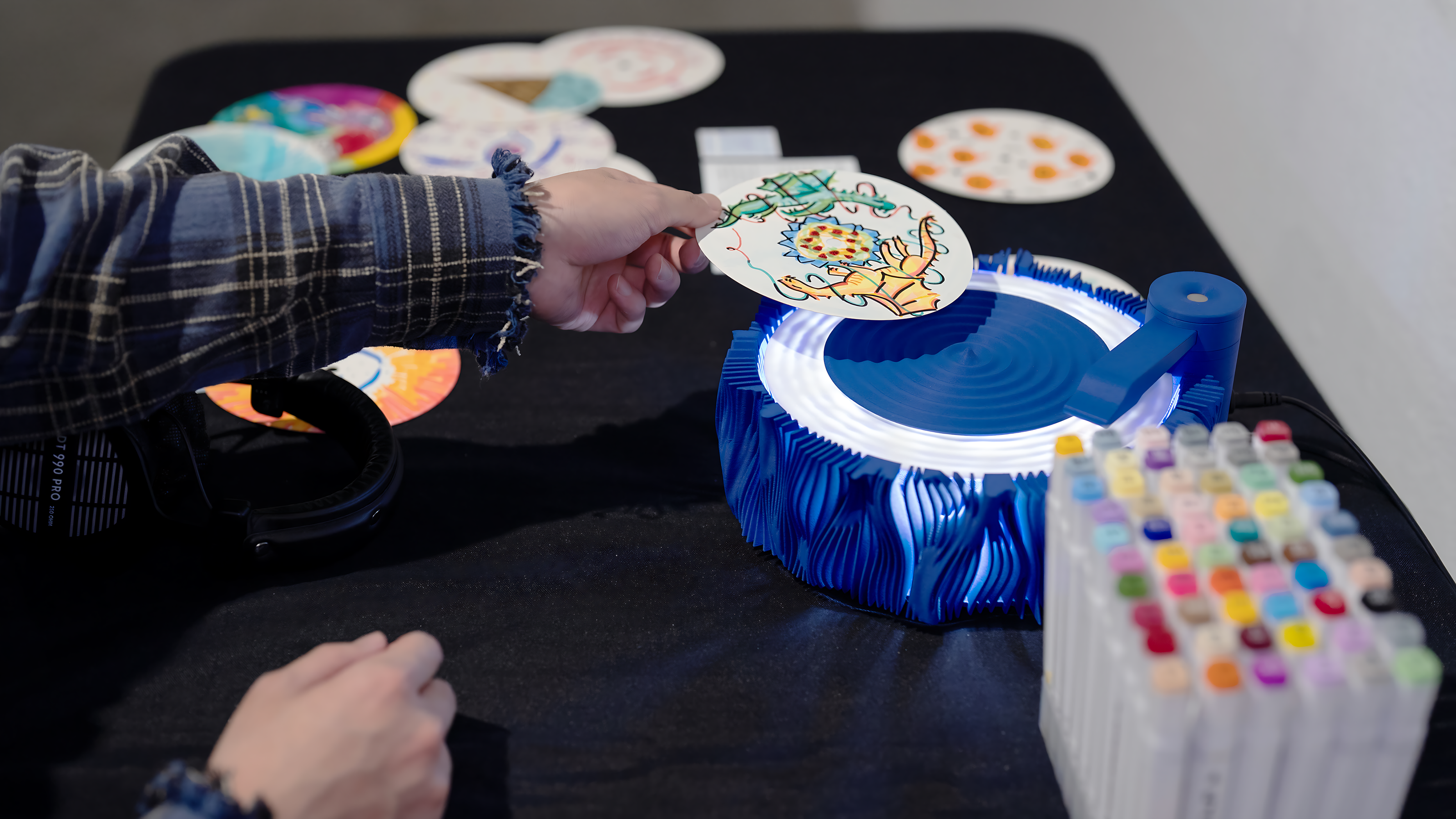
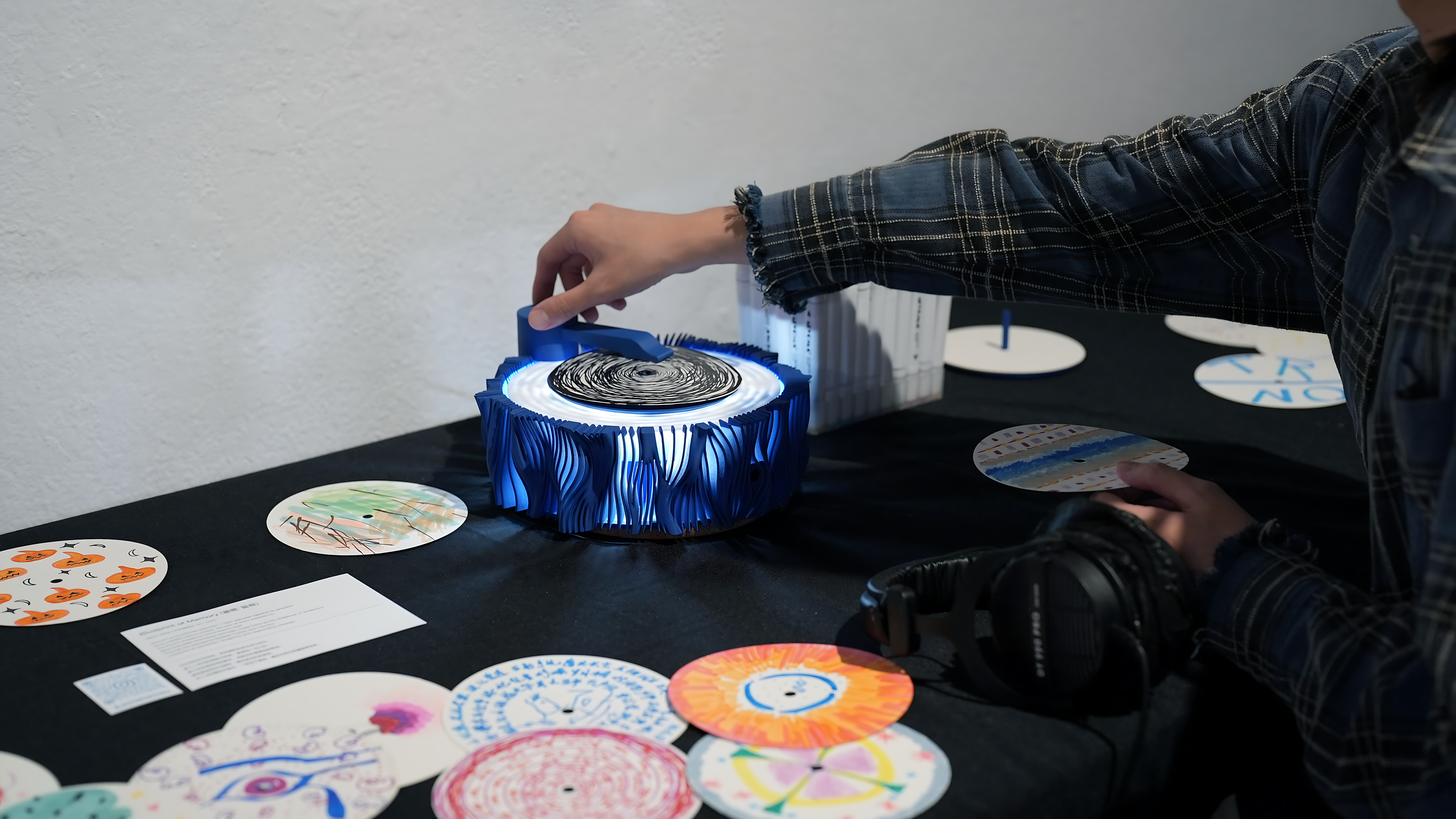
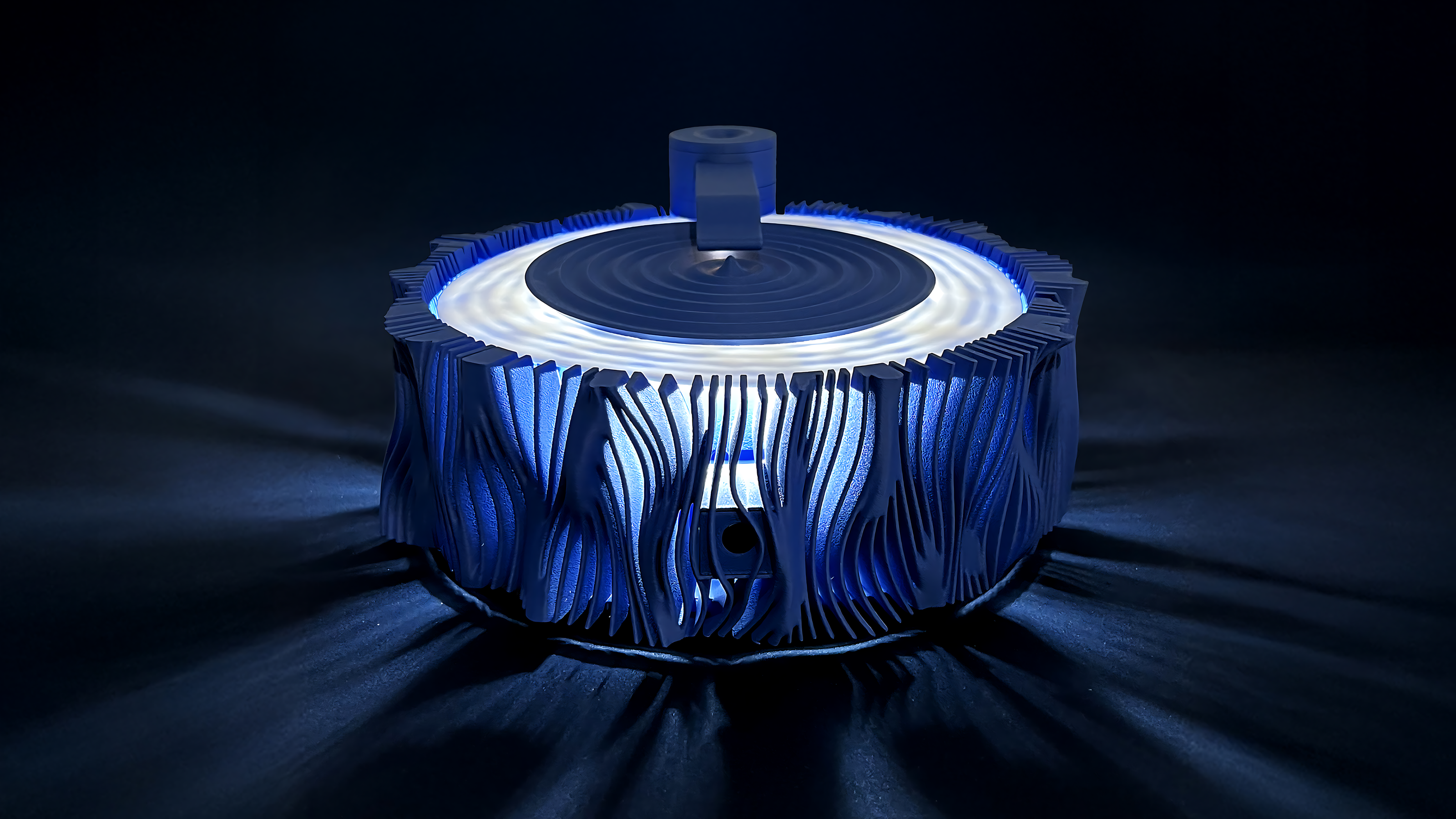
Blueprint of Memory is an interactive audiovisual installation that focuses on the translation of sensory information across modalities. Through audience participation, visual input generated through drawing is transformed into structured sound, creating a cross-sensory experiential system.
In the installation, color information produced by the participant’s drawing is captured through Arduino-based sensors and mapped using generative processes developed with Max for Live and Ableton. Drawing functions not as an image-making outcome, but as an input mechanism that drives the evolution of an auditory composition.
Rather than treating memory as a fixed archive, the work frames it as a procedural structure shaped by interaction, repetition, and bodily action. Each gesture operates simultaneously as input and trace, reflecting how individual behavior is informed by past experience and memory. Differences in color choice and expressive style emerge from personal histories; yet beyond cultural context and socially assigned identities, the work suggests a shared perceptual foundation through which human experience is formed.
This project represents a second iteration of VinelTone
TOOLS





Process
Building on the experience from Vine!Tone, the first step was to confirm all Arduino components and sensors required for the project.
Custom holders for each module were designed and 3D printed to ensure precise dimensions and stable physical integration.
All sensors were connected and tested to ensure stable operation.
During this stage, the complete circuit was assembled and verified, while the Arduino code was developed in parallel to support real-time data transmission.
The Arduino programming was refined through continuous testing, allowing the system to reliably respond to sensor input and control movement and lighting behavior.
The external form of the installation was developed in Cinema 4D.
The design considered both the internal electronic structure and the overall visual presence of the object.
Multiple rounds of 3D printing were carried out to test structural strength, assembly order, and spatial tolerance.
Each iteration refined how the components fit together.
All sensors and circuits were permanently fixed inside the structure.
Cable management and component placement were finalized to prepare the installation for long-term operation.
LED lighting was integrated into the installation, followed by final debugging of the system code to synchronize light, movement, and sensor input.
In the final stage, the system was connected to Ableton Live using Max for Live.
Sensor data was mapped to sound parameters, completing the project as an interactive audio-visual system.
The working process was documented through time-lapse recording.
感谢观看
Thanks for watching